Our Vision
We envision a resilient Midwest agricultural economy where regenerative and organic farmers have access to the capital, infrastructure, markets, and community support necessary to steward land for future generations while building economically viable operations.
Meet Our Team
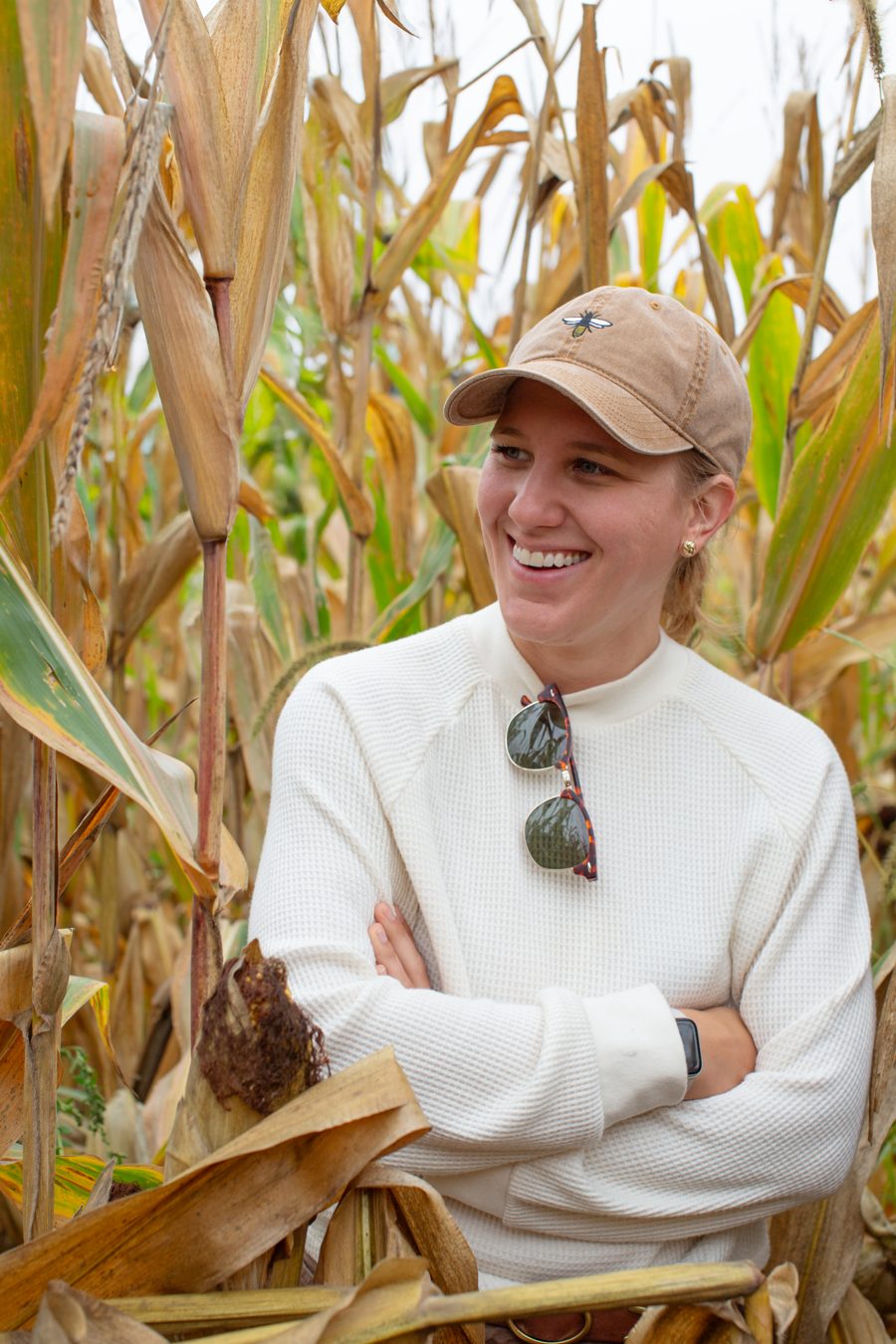
Sarah Franz
Executive Director
Sarah Franz
Executive Director
Growing up surrounded by farmland in southern Minnesota, Sarah Franz has focused her career at the intersection of agrifood systems and human health. She is the Executive Director of FarmBridge Fund, where she leads efforts to expand access to the funding and support farmers and supply chain partners need to accelerate the transition to organic and regenerative agriculture. In this role, Sarah advances innovative approaches that help producers navigate financial barriers and operational challenges while investing in practices that restore soil health and strengthen rural economies.
Prior to joining FarmBridge Fund, Sarah spent five years as Vice President of Food Systems for the Future, where she focused on expanding access to nutritious food by supporting economically viable food and agriculture businesses and entrepreneurs. Her work centered on exploring innovative financing and wraparound services to strengthen regional food systems and improve food access in low-income communities across the country.
Earlier in her career, Sarah worked in public health and public policy. As Senator Amy Klobuchar’s Outreach Director, she traveled the state of Minnesota to engage with communities, organizations, and industries to better understand and address pressing issues. She also brings private-sector consulting experience with some of the Midwest’s largest companies, informing her systems-level approach.
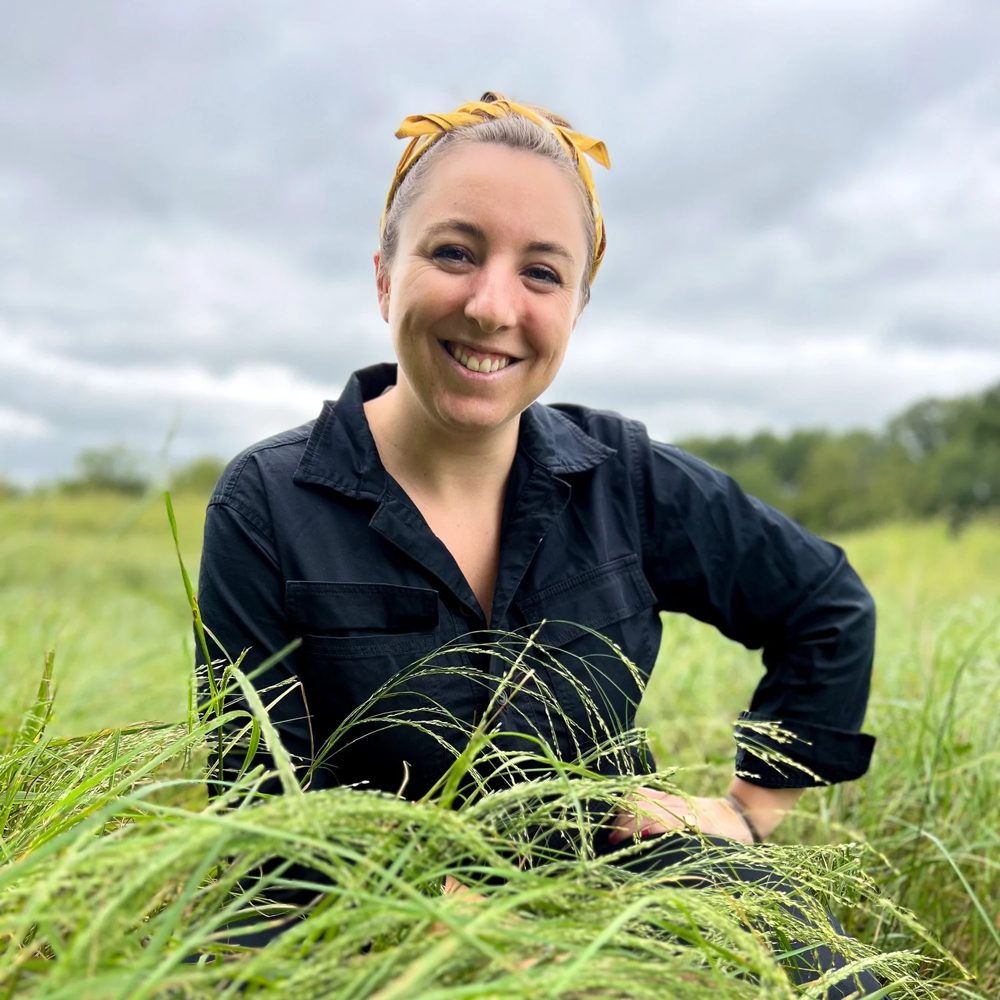
Claire Smith
Program Director
Claire Smith
Program Director
Claire grew up on a row-crop farm in southern Michigan, where she learned firsthand how grain moves from the field through processing and into the food system. She later founded Tenera Grains and created the granola brand Teffola using grain sourced directly from her family’s farm, connecting production, processing, and consumer demand in a tangible way. Today, her work spans the agricultural value chain, collaborating closely with farmers, processors, and buyers to build practical, transparent pathways from farm to market
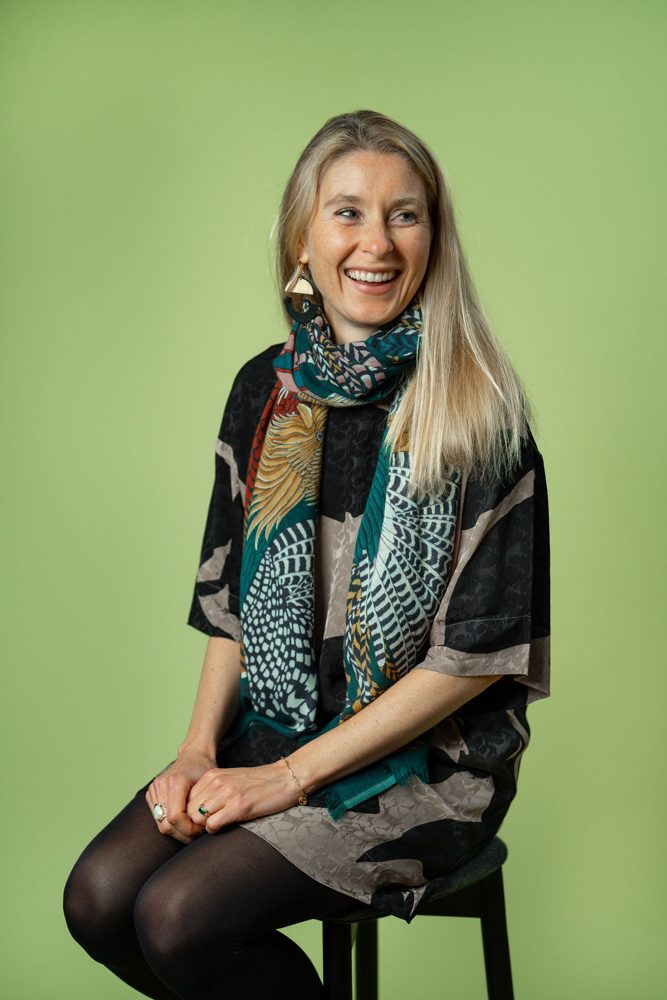
Katrina Stanislaw
Board Member
Katrina Stanislaw
Board Member
Katrina Stanislaw is the COO at Quick Organics, an technology company simplifying the organic and regenerative certification process for producers. Katrina has experience in the food system working in nonprofit, academia and for profit organizations to develop and operationalize strategy, and galvanize teams. Across Fortune 500 boardrooms to farm fields, Katrina is an expert in driving collaboration.
Prior to Quick Organics, Katrina was the Head of Global Partnerships for AgriDigital, Adjunct Professor of Sustainable Food Systems and Montana State University, and co-founder of the Western Harvest Project. She holds an MA from the University of St Andrews (Scotland) and from The Fletcher School at Tufts University focussed on natural resource policy and negotiation.
Katrina was born and raised in France where connection to food and food sources are a part of daily life. This connection shaped her worldview and motivated her to work in food systems as a way of addressing our pressing ecological and social challenges. For Katrina, regenerative and organic agriculture are the linchpin to healing our bodies, communities, and earth. Katrina currently resides in Bozeman, Montana with her partner and is a proud mother of an adopted baby boy.
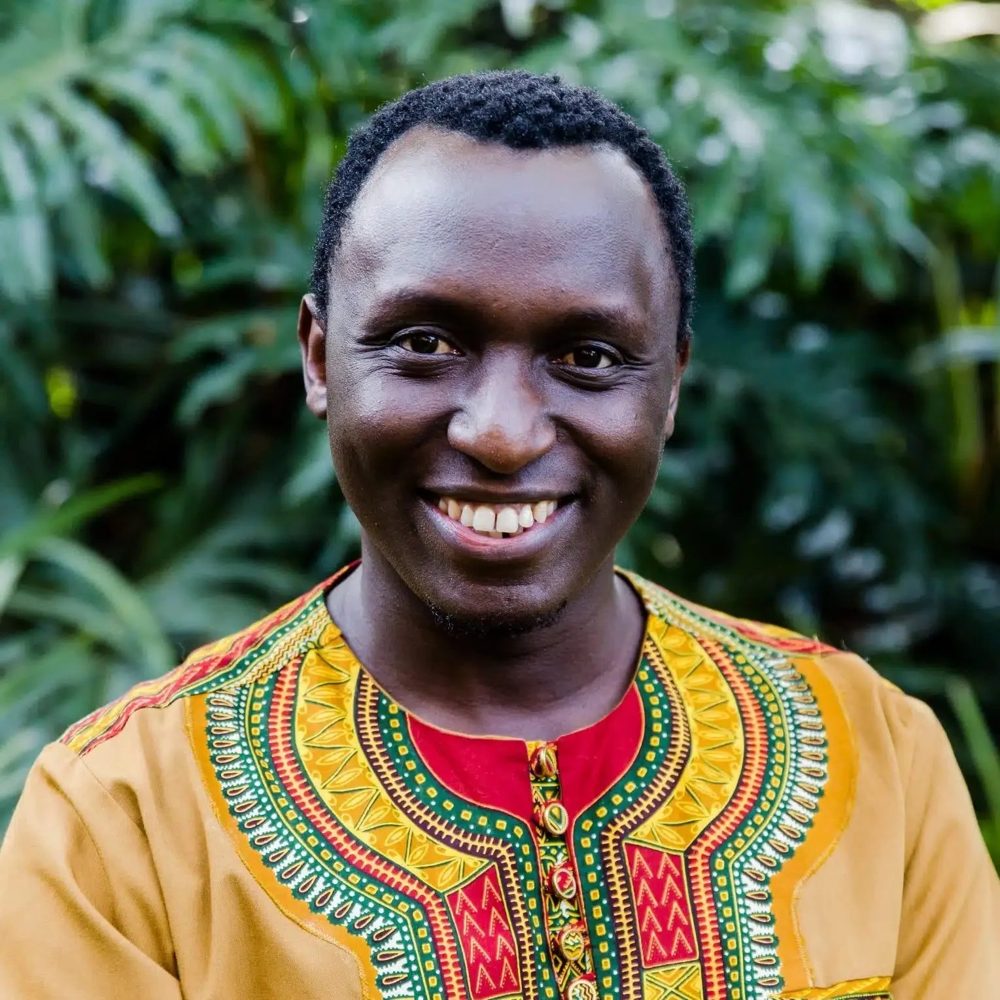
Cedric Habiyaremye, PhD
Board Member
Cedric Habiyaremye, PhD
Board Member
Cedric is a celebrated sustainability entrepreneur. He founded QuinoaHub, a leading multinational agribusiness company dedicated to advancing research and production of climate-friendly nutritious crops. Additionally, he founded Origencia Group, a global research and consulting firm that implements data-driven strategies for various organizations, enhancing their operational and environmental sustainability. His influence extends to the global stage; he was recently selected to join the eminent Aspen Strategy Group Rising Leaders Program. Additionally, he is a member of the Private Sector Mechanism to the United Nations Committee on World Food Security. He is also a member of the United Nations Association, the Vice-Chair of Building Bridges with Rwanda, and a New Voices Senior Fellow at the Aspen Institute.
Cedric’s leadership and innovative approaches in community development and the fight against hunger around the world have garnered numerous accolades, including the prestigious World Hunger Leadership Award in 2018. He also participated in numerous White House briefings on issues related to global food security, collaborated with Harvard University on developing the first-ever global diet quality monitoring system, and contributed to high-impact research projects with the UN Food and Agriculture Organization.
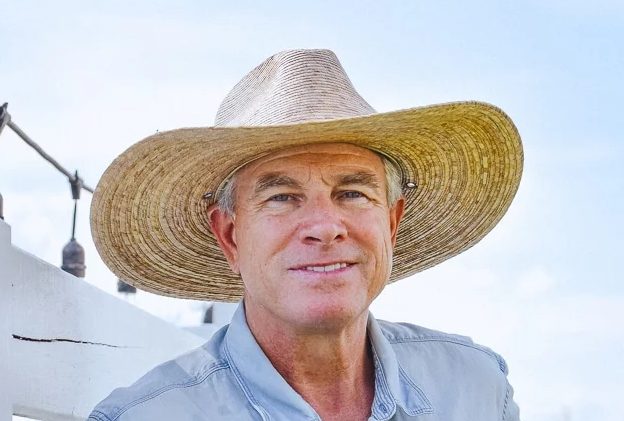
Joseph Mantoan
Senior Advisor
Joseph Mantoan
Senior Advisor
Mr. Mantoan was raised on his immigrate grandparents’ large-scale vegetable farm in Kankakee County Illinois. There he developed a lifelong love and connection to the natural world and an appreciation and joy for family farmers and healthy communities.
Mr. Mantoan joined the multinational consulting firm Accenture in 1976 and served almost 30 years in various North American and International leadership roles. In 2004, he returned to his roots and began to work in farmland preservation and became an advocate for ecological farming. He received his BA and MA in Accounting from the University of Illinois.
Mr. Mantoan formerly served as Chairman of the Board of Healing Soils Foundation, and currently holds various leadership roles at non-profit organizations including Wellspring Organic Farms, Riveredge Nature Center, and Cedar Lakes Conservation Foundation. He has been a member of the Board of Directors of Iroquois Valley Farmland REIT since 2019.
Mr. Mantoan and his wife, Laura, own 200 acres of certified organic farmland in Washington County, Wisconsin. Since 2010, the farm has been managed by his son, based on rotational grazing and a permaculture keyline water system design. Several conservation and educational workshops have been conducted at the farm over the years. Mr. Mantoan resides in Whitefish Bay, Wisconsin.
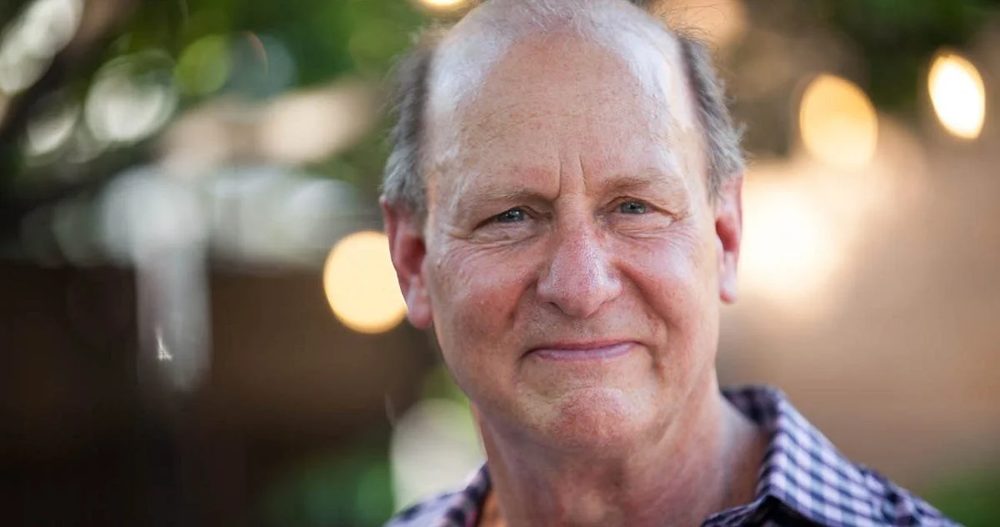
Dr. Stephen Rivard
Health & Medical Advisor
Dr. Stephen Rivard
Health & Medical Advisor
Dr. Rivard has a long history of entrepreneurship in the medical and health field. After earning his undergraduate and medical degrees from Loyola University of Chicago, he began a practice in the newest medical specialty of the time, emergency medicine. After 26 years and having raised two children, he changed careers and founded Illinois Vein Specialists in 2008, another growing medical specialty business. He also began diversifying his investments to focus on health and organic farmland. His interest in organic farming goes beyond profit. It also includes the mission of creating a more socially conscious and sustainable future for his children. Dr. Rivard is now reaching out to other physicians and health care professionals to bring attention to the varied health illnesses associated with our current food production system. Specifically, he is concerned about the growth of Type 2 diabetes, food allergies, and various cancer incidences that may be associated with our food choices. Dr. Rivard co-founded both Iroquois Valley Farmland REIT and Healing Soils Foundation.
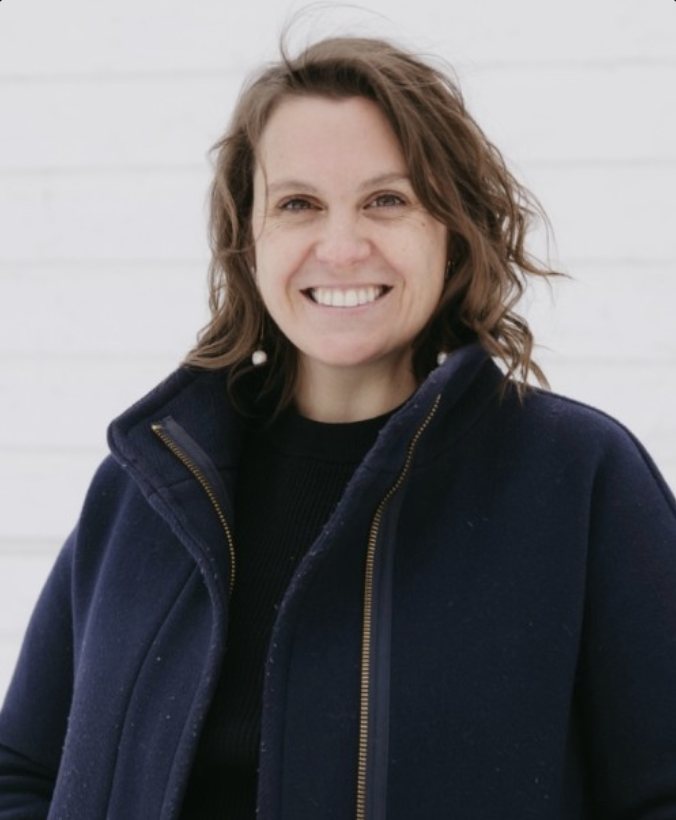
Lissy Matthews
Board Member
Lissy Matthews
Board Member
Lissy Matthews serves in dual roles at Dairy Grazing Alliance (DGA) as Senior Director of Advancement & Strategic Partnerships for DGA and Business & Advertising Manager for Graze magazine. Across these roles, she supports the organization’s long-term sustainability by strengthening relationships with funders, partners, advertisers, and mission-aligned stakeholders throughout the grazing dairy and regenerative agriculture sectors.
Lissy brings to DGA more than a decade of leadership experience in regenerative and organic agriculture, with her background that spans across advancement, sales, marketing and brand development.
As Senior Director of Advancement & Strategic Partnerships, Lissy leads fundraising and advancement strategy focused on public-good funding, foundations and strategic partners aligned with DGA’s mission. Her work centers on building long-term, values-driven relationships that support workforce development, farmer education, and market-facing initiatives, while coordinating closely with program staff and leadership to ensure alignment between funding strategies and on-the-ground impact.
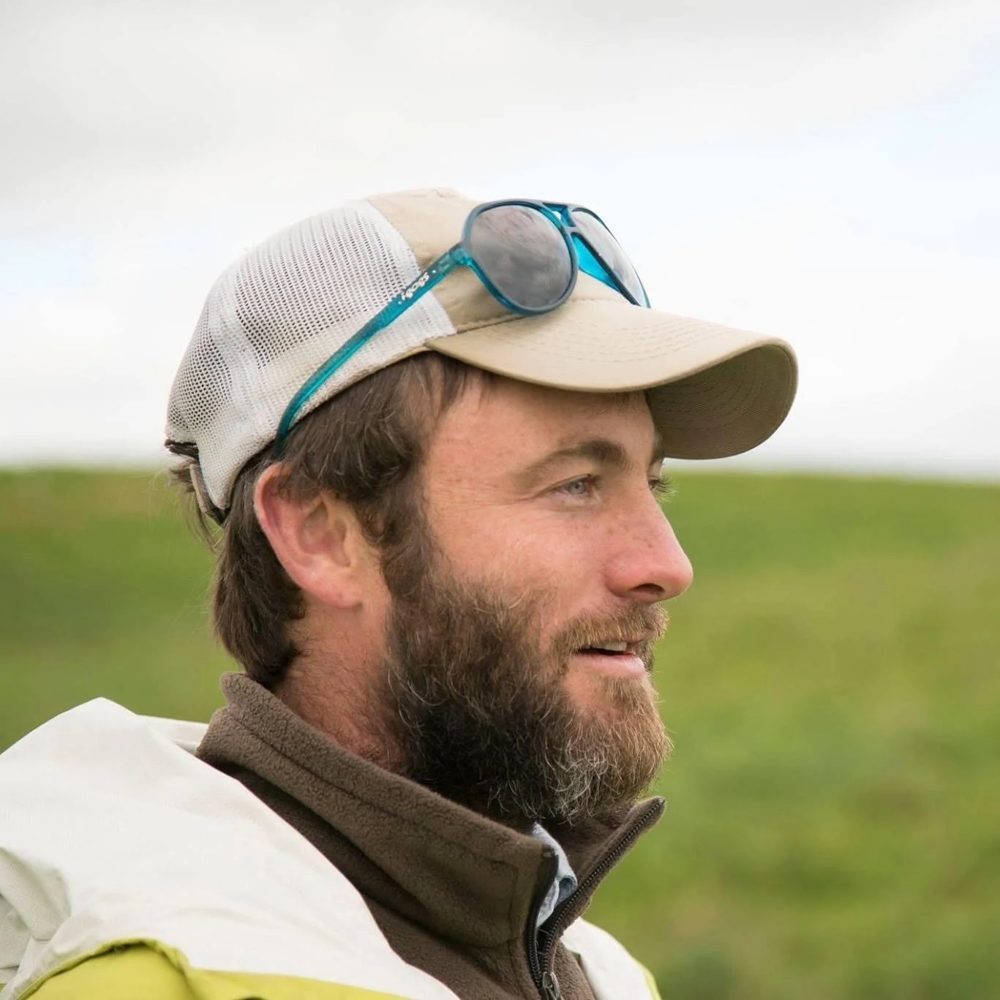
Joe Mantoan
Grazing Advisor
Joe Mantoan
Grazing Advisor
Joesph comes to the Healing Soils Foundation with over 20 years of managed grazing experience. He manages Sauve Terre Farm, a family-run certified organic farm located 45 miles northwest of Milwaukee in the Big Cedar Lake watershed in West Bend, Wisconsin. Sauve Terre specializes in grazing and producing pastured meats, specifically 100% grass-fed and finished beef and pastured pork.
Sauve Terre is on a mission to preserve and improve the land while providing sustainable and healthy harvest for generations to come. We are dedicated to earth friendly, animal friendly, and people friendly farming. Joesph practices holistic grazing and regenerative agriculture techniques while working with nature to create a perennial landscape.
Beyond his work managing Sauve Terre, Joe works as the Sales Manger for the Wisconsin Grass-fed Beef Cooperative. Joe oversees sales relationships with distributors and key accounts across the Midwest, and he gets deliveries to our existing customers.
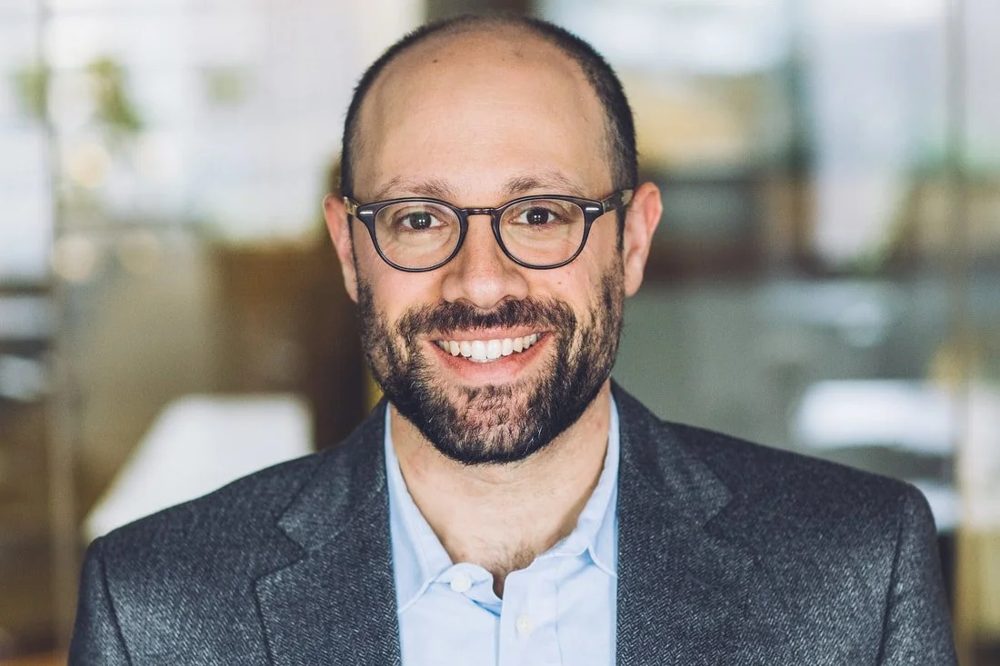
David LeZaks
Senior Advisor
David LeZaks
Senior Advisor
David LeZaks, Ph.D. is the Managing Director of Food System 6. He is an environmental scientist and financial activist whose work is centered around developing innovative mechanisms for financing the transition to regenerative farming and food systems.
Dr. LeZaks led the Regenerative Food Systems initiative at Delta Institute in Chicago, where he managed a portfolio of projects that focused on the design and deployment of disruptive mechanisms to unlock substantial capital flows into regenerative agriculture. Previously, he served as an RSF Social Finance Integrated Capital Institute fellow. Earlier in his career, David was a postdoctoral scientist at the University of Wisconsin – Madison, where he completed his Ph.D. in Environment and Resources and an M.S. in Land Resources. Afterward, he served as Managing Scientist of the Knowledge Systems for Sustainability Consortium and Program Director of the university’s Agricultural Innovation Prize. Currently, he serves in advisory roles to Mad Agriculture, the Savanna Institute, Nourishn, Council of Development Finance Agencies’ Food Systems Finance Advisory Council, and the Transformational Investing in Food Systems initiative, an allied initiative of the Global Alliance for the Future of Food.
He is based in Madison, Wisconsin, where he is active in a number of community organizations and spends his spare time gardening and participating in a variety of silent sports.
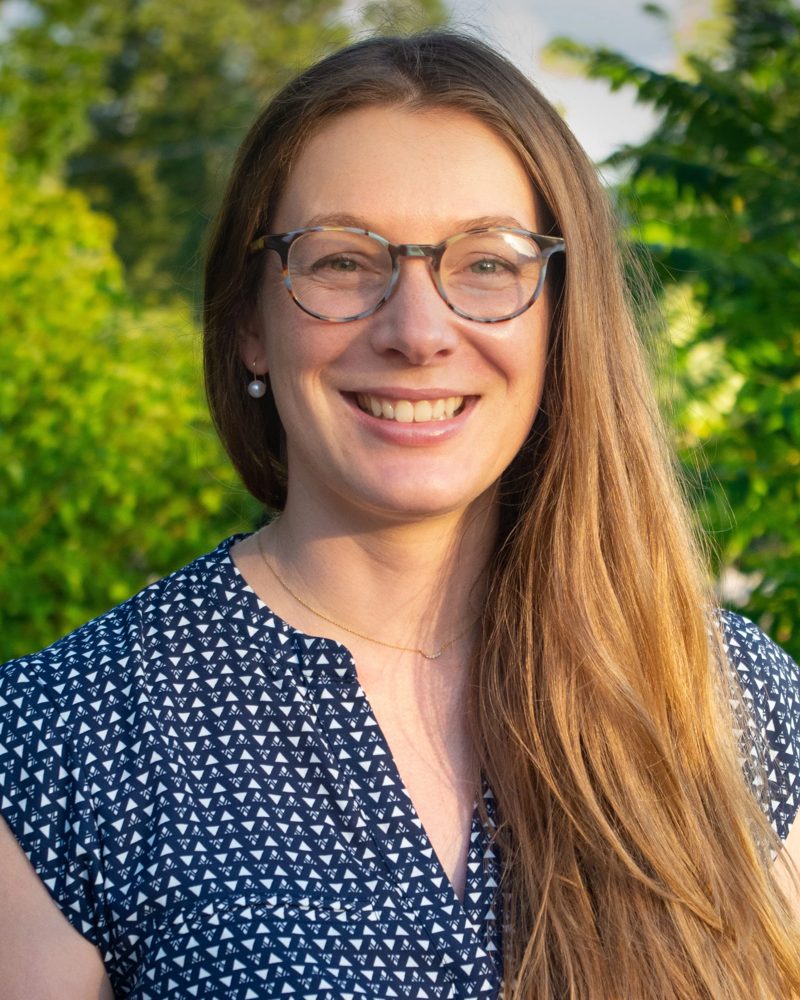
Alyssa Hartman
Small Grains Advisor
Alyssa Hartman
Small Grains Advisor
Alyssa Hartman is Executive Director of the Artisan Grain Collaborative (AGC), a network of farmers, processors, end-users, and advocates working to strengthen the regional staple crop system in the Upper Midwest. AGC performs three main functions in the Midwest regional grain economy: convening stakeholders to offer forums for group learning and relationship development, creating resources based on the unique needs of the Midwest grain chain, and providing education for the eating public on the importance of regional grains as a bedrock of local food systems. Alyssa received a Master of Food and Agriculture Law and Policy from Vermont Law School. She lives in Madison, WI with her husband, hound dog, and a flock of chickens.
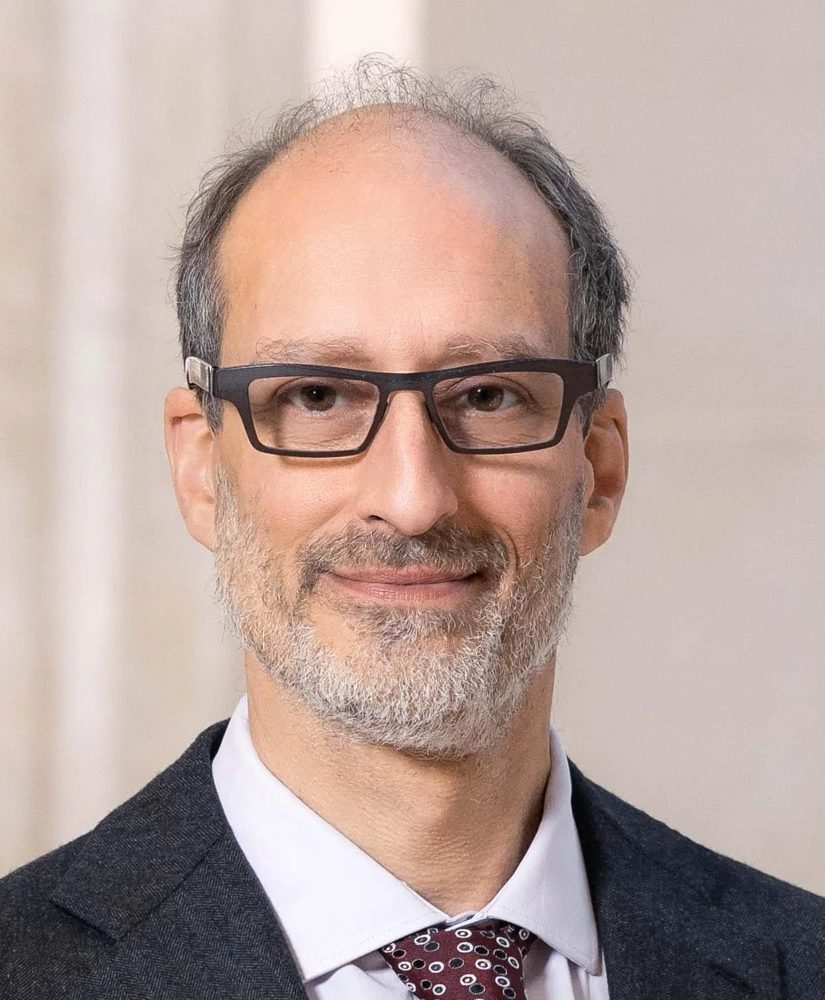
Matthew Witkovsky
Communications Advisor
Matthew Witkovsky
Communications Advisor
Matt Witkovsky is a curator and a vice president at the Art Institute of Chicago. He takes care of precious treasures for the benefit of the public and generations to come. Communicating effectively is central to any museum curator's work, as is getting general audiences excited about specialized histories or complex ideas. Outside of work Matt is an avid gardener and renewable energy enthusiast and likes nothing more than a good home improvement project. He and his wife have raised two daughters with a love for the outdoors and our more-than-human environment.
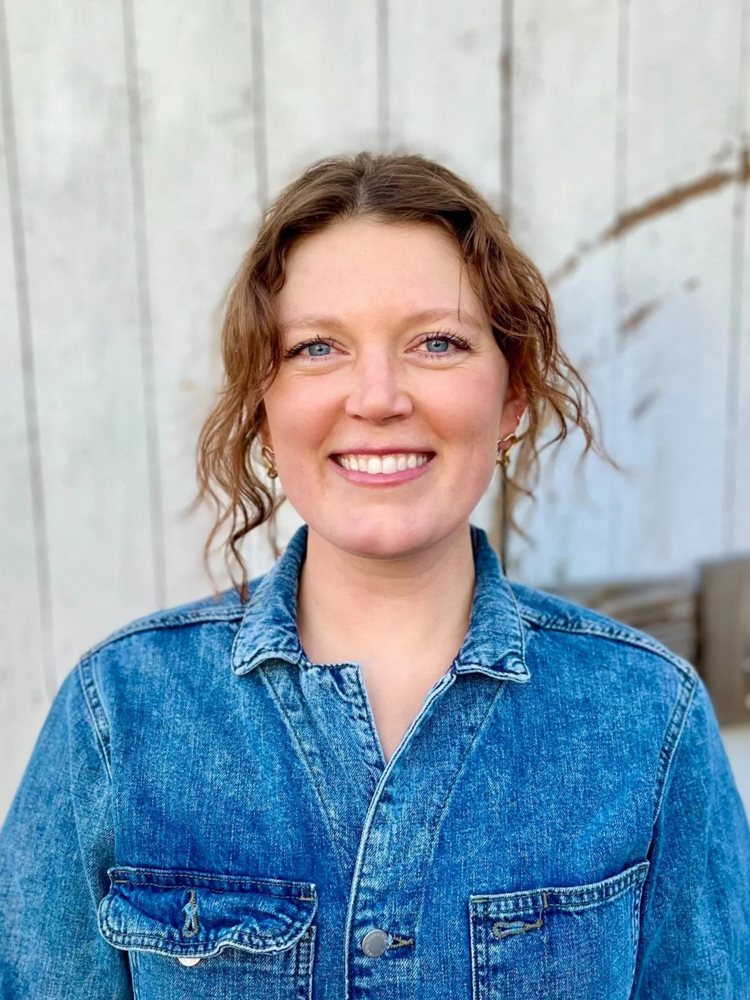
Cheyenne Pritchard
Advisor
Cheyenne Pritchard
Advisor
Cheyenne Pritchard is the Executive Director of Ideagarden Institute, a social venture studio and nonprofit fiscal sponsor that equips food systems entrepreneurs with the support they need to build thriving, sustaining enterprises. With an entrepreneurial spirit and systems mindset, she works to surface, amplify, connect, and empower solutions at the intersection of climate, food, and health.
Cheyenne's career spans the private and nonprofit sectors, with experience in project management, strategic partnerships, and business strategy. Before joining Ideagarden, she led business development for a climate-focused consultancy and managed innovation and food rescue programs at Philabundance, a Philadelphia-area food bank. She holds an MPH from UC Berkeley's School of Public Health, where she focused on sustainable food systems, and a BA in English and Psychology from Amherst College.
Cheyenne currently resides in Des Moines, Iowa and is an avid gardener. She has also called Brazil, Philadelphia, and Berkeley home. That range of places has shaped how she thinks about food systems, grounding her in a belief that solutions need to adapt to the natural assets and needs of a given region.
Our History
Rooted in stewardship. Built to bridge the gap.
FarmBridge Fund was founded as Healing Soils Foundation by the same visionary leaders behind Iroquois Valley Farmland REIT, now Amber Farmland Investments. Building on their experience financing organic and regenerative agriculture, our founders recognized that transforming American agriculture would require more than traditional investment capital. Farmers also needed philanthropic support and flexible financing to overcome barriers that conventional financial institutions were not designed to address.
Healing Soils Foundation was established as an independent nonprofit to help meet that need, supporting farmers in their efforts to restore soil health, protect natural resources, and build more resilient agricultural operations. From the beginning, our work has been grounded in a simple belief: farmers should not have to bear the financial risk of conservation alone.
A legacy of stewardship
The values behind our work are reflected in the life and legacy of Paul Bickford, a pioneering organic farmer, mentor, and advocate for the next generation of agricultural leaders. For more than four decades, Paul farmed in Wisconsin's Driftless Region, embracing innovative approaches to agriculture, including managed grazing and organic grain production. He understood that the future of farming depended not only on caring for the land, but also on creating opportunities for those who would steward it next.
Through his partnership with John and Halee Wepking, Paul helped establish a pathway for a new generation of farmers to build what would become Meadowlark Organics. His willingness to share his knowledge, resources, and opportunities reflected a deep commitment to keeping farmland productive and communities strong for generations to come.
Paul's generosity extended beyond his lifetime through a legacy gift to Healing Soils Foundation. His belief in investing in the future of regenerative agriculture continues to inspire our work today. We are honored to carry forward part of Paul's legacy by helping remove financial barriers and creating opportunities for the next generation of land stewards.
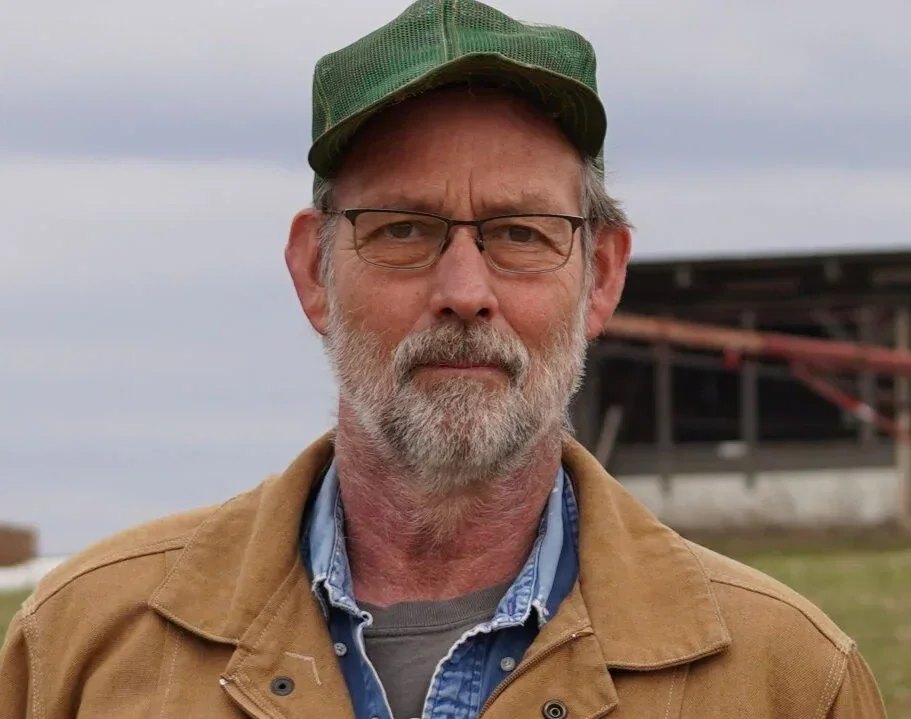
Paul Bickford, Organic Farmer
From an urgent response to a lasting solution
In early 2025, federal funding pauses and disruptions to USDA conservation programs left farmers across the Midwest facing significant uncertainty. Many had already committed to conservation projects, invested in materials and infrastructure, or were awaiting reimbursement for completed work. With payments delayed, farmers were left carrying the financial burden of projects they had undertaken in good faith.
Healing Soils Foundation responded by launching the Regenerative Farmer Assurance Fund, providing flexible, zero-interest, recoupable grants to help farmers bridge funding gaps and keep critical conservation projects moving forward.
What began as an emergency response quickly revealed a much larger, persistent challenge. Even as federal funding resumed, farmers continued to face the same structural barriers: reimbursement-based conservation programs requiring significant upfront investment, seasonal cash flow constraints, and limited access to affordable financing. We also saw how gaps in regional processing infrastructure and market access could prevent farmers from diversifying production and adopting more resilient agricultural practices. We realized that the need wasn't temporary, and neither should be the solution.
The Regenerative Farmer Assurance Fund evolved into an evergreen revolving fund designed to address these ongoing barriers. As capital is recouped, it is redeployed to support additional farmers and regional processors, allowing the same dollars to advance conservation again and again.
Today, this model is at the heart of FarmBridge Fund's approach. What began as a response to a moment of crisis has become a long-term strategy for expanding access to capital, strengthening regional agricultural systems, and accelerating conservation across the Midwest.
A new name. A broader vision.
In 2026, Healing Soils Foundation became FarmBridge Fund, reflecting the evolution of our work and our ambition to accelerate conservation across the Midwest.
What began as a philanthropic effort to support regenerative farmers has grown into an organization building the financial infrastructure necessary to advance conservation at scale.
Today, we're working to bring together philanthropy and patient investment capital to support farmers, strengthen regional processing capacity, and remove the financial barriers that prevent conservation projects from moving forward.
Our mission is to accelerate conservation by removing barriers and empowering land stewards to protect natural resources, strengthen communities, and build more resilient agrifood systems.
Our history is rooted in the belief that agriculture can be both economically viable and environmentally restorative. Our future is focused on making that vision possible for more farmers, more communities, and more acres across the Midwest.