Our Approach

Farmers are ready to invest in healthier soil, cleaner water, and more resilient agricultural systems. Too often, the barrier isn't a lack of opportunity or commitment — it's access to affordable capital at the moment it's needed.

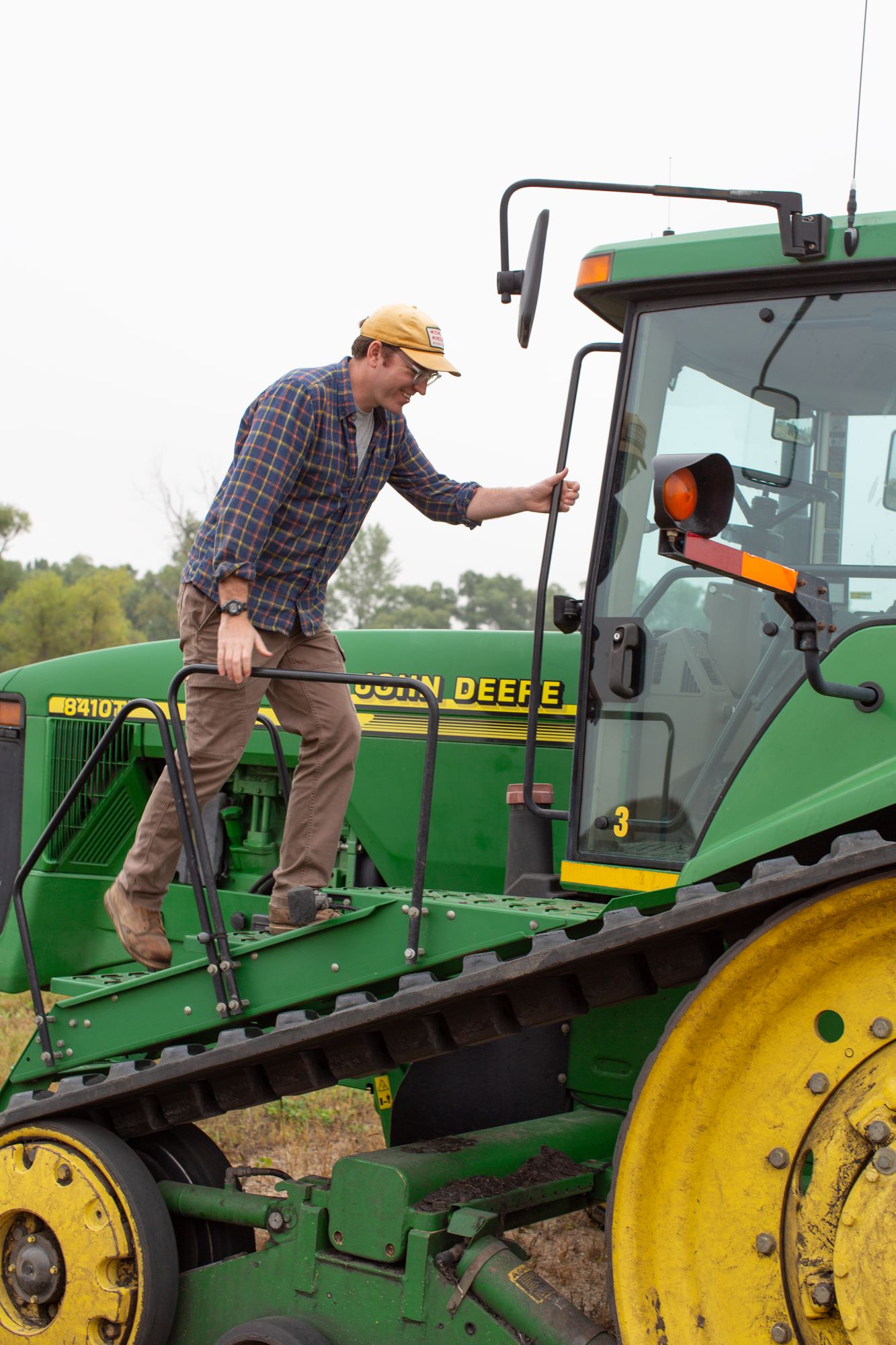
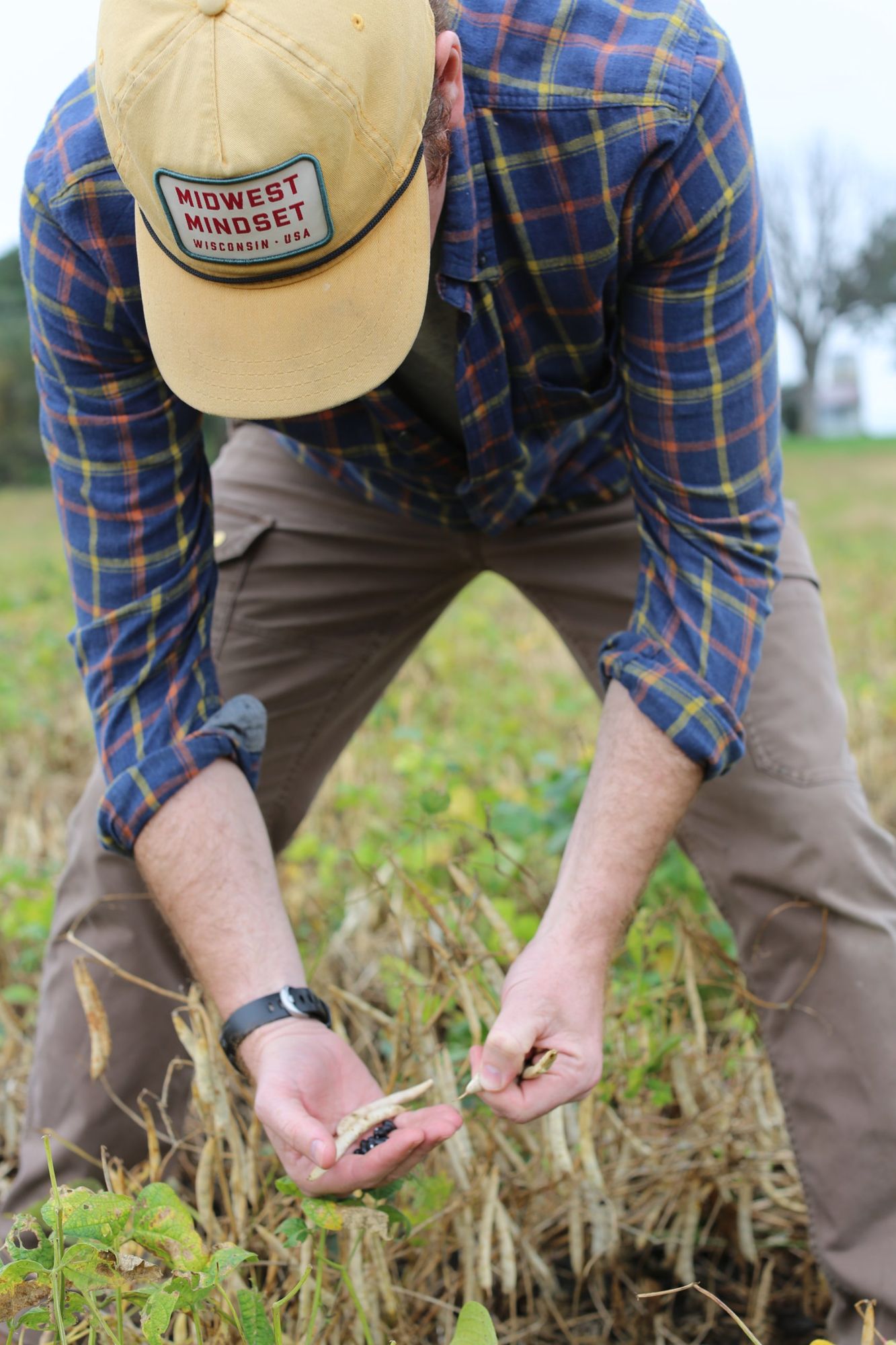
A farmer bending to shell dry beans in a field
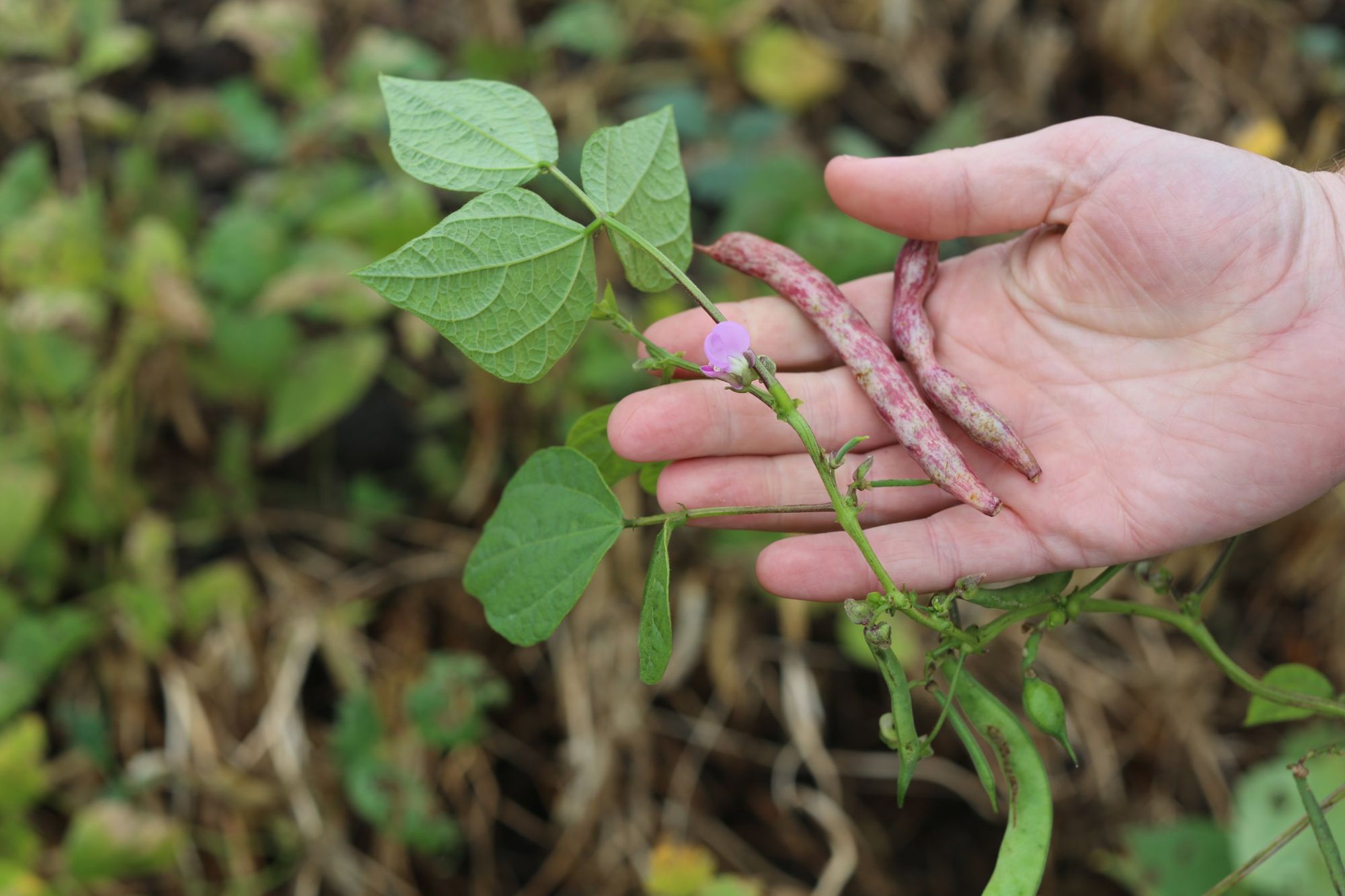
A hand holding speckled bean pods and a purple bean flower

FarmBridge Fund removes that barrier by providing flexible, zero-interest funding to help viable projects move forward. We support farmers implementing conservation practices and regional processors building the infrastructure and markets that make diversified agriculture possible.

Our approach is designed to do more than fund individual projects. We're building a sustainable financial model that puts capital to work, brings it back, and puts it to work again — expanding conservation impact across the Midwest.

Submit Interest

How We Put Capital to Work

Flexible capital. Lasting conservation impact.

What makes our approach different:

  • Zero-interest funding:Removing the burden of interest allows more resources to go directly toward conservation and business investments.
  • Flexible repayment:Recoupment is structured around anticipated reimbursements and revenue rather than rigid repayment schedules.
  • Responsible stewardship:Financial diligence, project monitoring, and risk management help protect capital and support successful outcomes.
  • Revolving impact:As funds are recouped, they're redeployed to support additional projects, extending the reach of every dollar.

Our goal is to create a sustainable source of conservation funding that grows in reach and impact with every investment, supporting more farmers, strengthening regional markets, and protecting more acres for generations to come.

About the Program

Born out of urgency. Built for lasting impact.

FarmBridge Fund's revolving funding model emerged in early 2025, when federal funding pauses disrupted USDA conservation programs and left farmers across the Midwest facing unexpected financial uncertainty. Farmers with approved projects and anticipated reimbursements suddenly found themselves unable to move forward without taking on additional financial risk.

We responded by providing flexible, zero-interest bridge funding to keep conservation projects moving forward while farmers awaited federal payments.

What began as an emergency response quickly revealed a much larger, persistent need. Even as federal funding resumed, farmers continued to face reimbursement delays, seasonal cash flow challenges, and limited access to affordable financing. We also recognized that investments in regional processing infrastructure were essential to creating the markets that make diversified agriculture economically viable.

The need wasn't temporary, and neither should the solution.

Today, FarmBridge Fund has evolved into an evergreen revolving funding model that supports both on-farm conservation and the regional food systems that sustain it. As capital is recouped, it is redeployed to support new projects, allowing each dollar to generate impact beyond its initial investment.

We're now building on this proven foundation, bringing together philanthropy and patient investment capital to scale our reach and accelerate conservation across the Midwest.

How It Works

Apply when a gap emerges
Farmers submit a short application with documentation showing a delayed reimbursement, signed market contract, or time-sensitive practice-linked need.

  1. Rapid review
    FarmBridge assesses readiness, timing, regenerative impact, and documentation. We prioritize projects that would face disruption without support.
  2. Flexible, upfront capital
    Approved farmers receive a recoupable grant to keep conservation projects and market commitments on track—without taking on high-interest debt.
  3. Implementation continues
    Farmers purchase inputs, rent equipment, install practice infrastructure, or fulfill contracts with the funds they would otherwise be waiting on.
  4. Repayment when funds arrive
    When the delayed reimbursement or contracted payment is issued, farmers repay the grant. Those dollars are immediately redeployed to support the next producer.
  5. Continuous recycling
    This regenerative finance model circulates philanthropic dollars instead of spending them once, accelerating adoption of soil-health practices across the region.

Grant Details

Funding Overview

  • Grant Amounts: Up to $50,000 currently, with plans to expand funding capacity to $250,000 per project.
  • Interest Rate: 0%.
  • Repayment: Grants are recouped upon receipt of anticipated USDA reimbursements, contracted payments, or other documented revenue.
  • Grant Term: Generally up to 12 months, with flexibility based on project timelines and circumstances.
  • Eligible Applicants: Farmers and regional processors operating in the Midwest.
  • Communication: Applicants will have regular check-ins with FarmBridge staff to monitor progress and identify any potential risk or additional support needed.
  • Eligible Uses: Conservation practice implementation, infrastructure and equipment investments that unlock diversified acres, and working capital tied to eligible projects or identified future revenue.

What We Look For

We prioritize projects that demonstrate measurable conservation or regional food-system benefits, a clear financial need, and a viable source of repayment. Applications are evaluated based on project readiness, financial feasibility, anticipated impact, and alignment with our mission.

We place particular emphasis on supporting historically underserved producers and projects that might otherwise be delayed or unable to proceed due to limited access to affordable capital.

Our goal is to make conservation financing more accessible, responsive, and sustainable — while ensuring that recouped funds can support the next generation of projects.

Who is Eligible?

Applicants must:

  • Operate in one of the listed Midwest states (Illinois, Indiana, Iowa, Kansas, Michigan, Minnesota, Missouri, Nebraska, North Dakota, Ohio, South Dakota, and Wisconsin) .
  • Be certified organic or actively adopting regenerative practices (e.g., cover crops, diverse rotations, reduced tillage, managed grazing, prairie/perennials, buffer strips).
  • Demonstrate a verifiable trigger for the bridge (choose one or more):
    • Documented public reimbursement or grant approval (EQIP, CSP, REAP, CRP, FLSP, etc.).
    • Signed buyer/market contract or purchase order requiring upfront investment.
    • Clear time-sensitive infrastructure need tied to practice adoption with proof of future market.
    • Evidence of emerging market opportunity (e.g., retailer/processor letter of intent) contingent on practice or capacity.

Where to Apply

Fill out our application HERE. Reach out to our Program Director, Claire Smith with questions csmith@farmbridgefund.org

Conservation is a public good. Financial risks shouldn't fall on farmers alone.

Healthy soil, clean water, and resilient agricultural landscapes benefit us all, yet the costs and financial risks of delivering these benefits too often fall on individual farmers. Unlocking conservation at scale requires a different approach — one that recognizes the public value of conservation and invests in the agricultural systems necessary to sustain it.

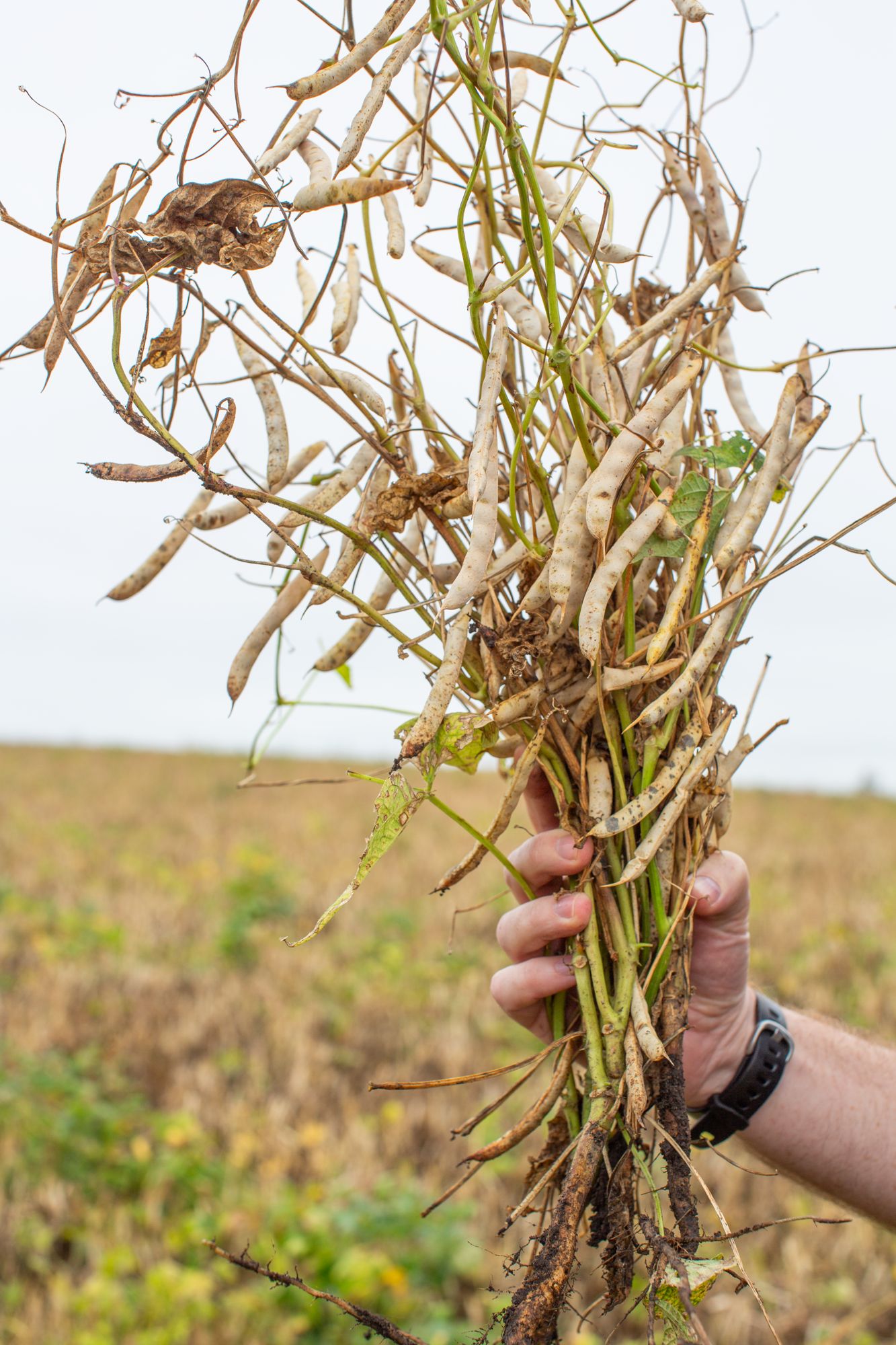
A hand holding up dried bean plants, pods and roots still attached, over a harvested field

We see two interconnected opportunities to accelerate conservation across the Midwest:

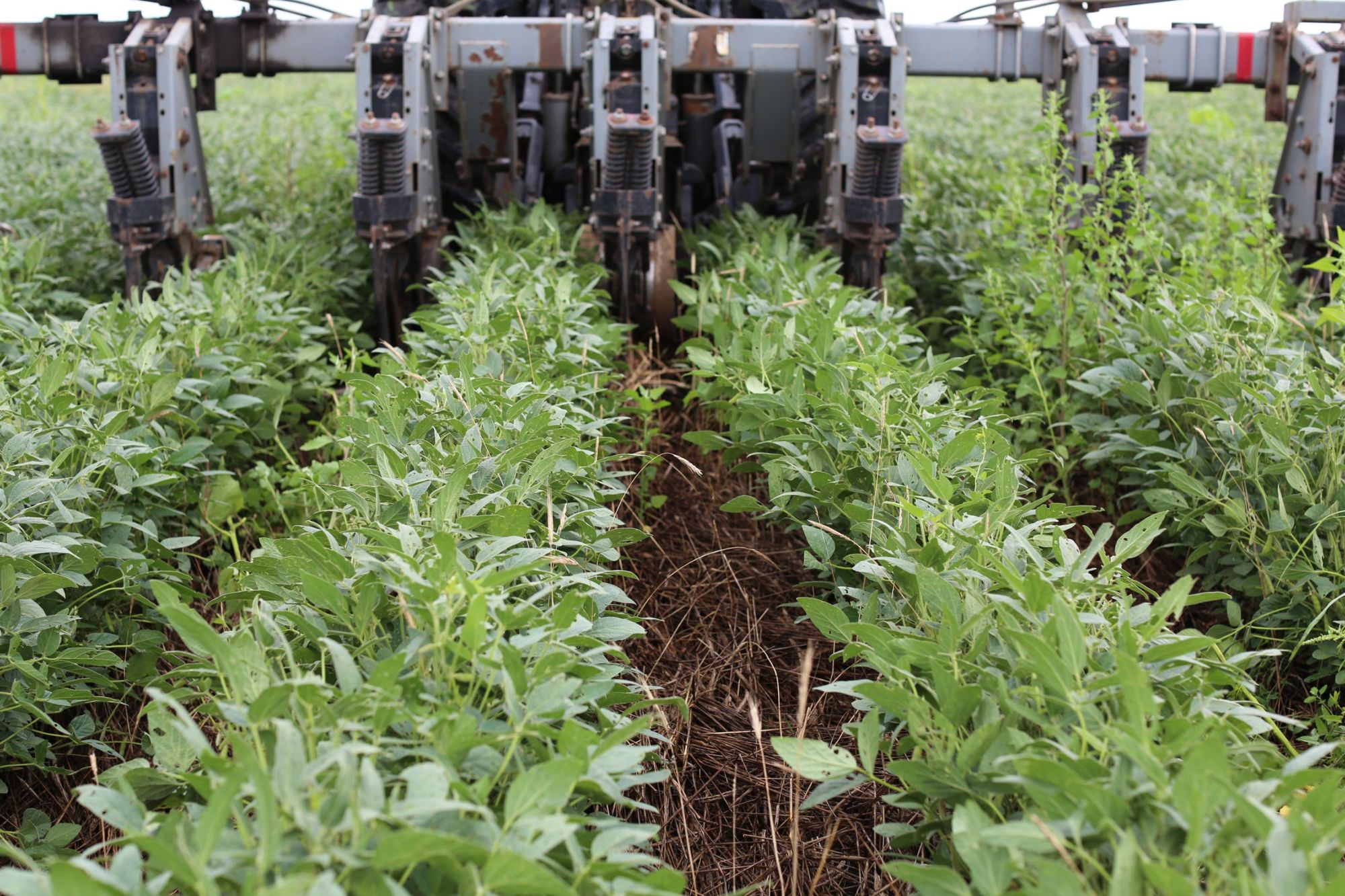
A row cultivator working between soybean rows

Working Lands:Investing directly in the land and those who steward it.

We support farmers implementing practices that improve soil health, protect water resources, and strengthen agricultural resilience. From managed grazing and cover crops to diversified rotations and conservation infrastructure, these investments deliver environmental benefits that extend well beyond the farm.

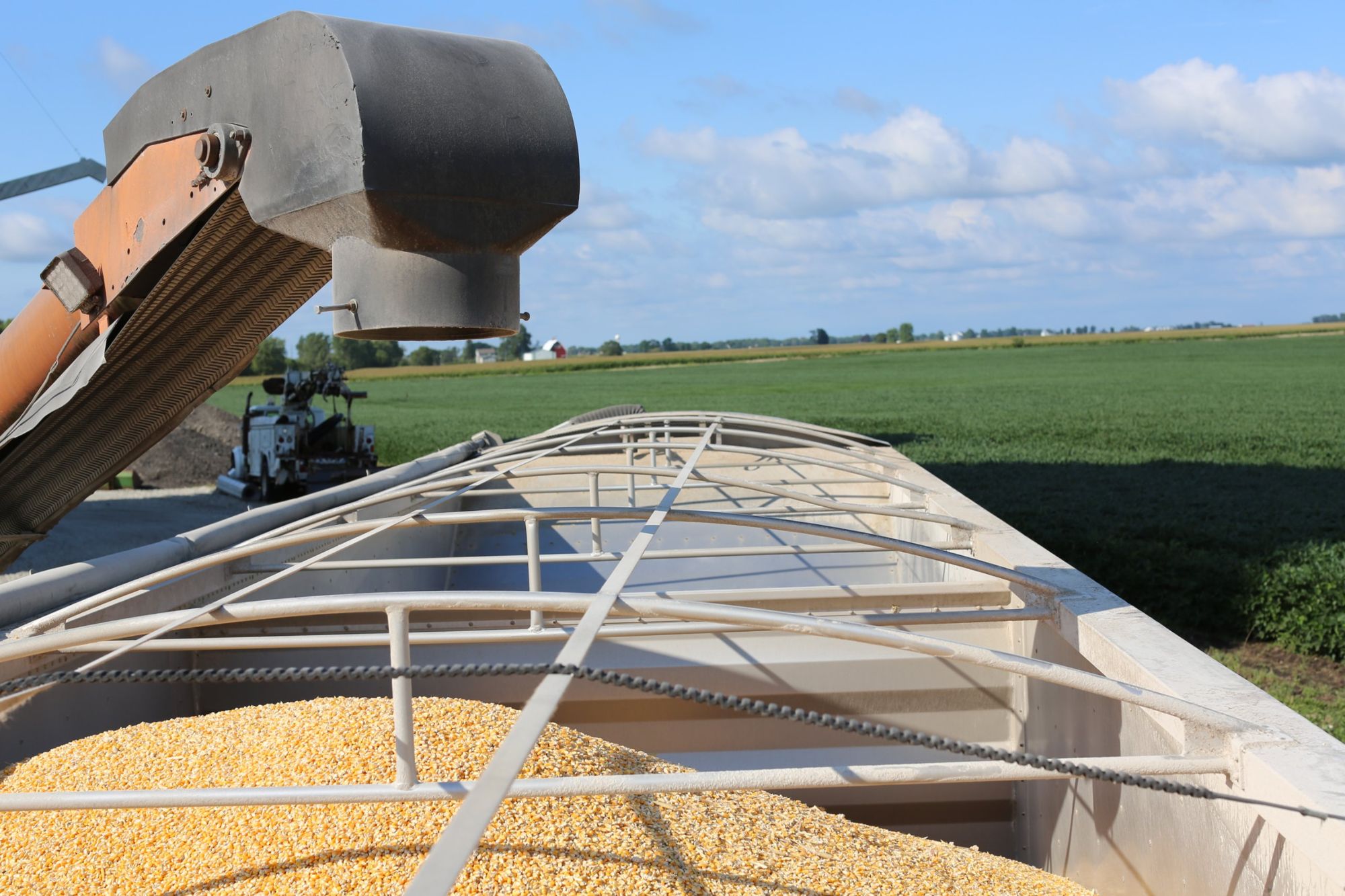
An auger spout above a trailer full of harvested corn

Food Systems:Building the markets that make conservation economically viable.

We support farmers and regional processors that create market opportunities for diversified agricultural production. Investments in independent meat processing, alternative grains, and specialty crop processing strengthen regional supply chains and help make conservation-oriented farming systems financially sustainable.

Shared benefits. Shared investment. Lasting impact.

By investing in both on-farm conservation and the regional infrastructure that supports it, we help create the conditions for more farmers to adopt conservation practices, diversify production, and protect natural resources.

Our Model: A Better Way to Finance Conservation

  1. 1

    SOURCE

    Trusted regional TA partners refer farmers and supply chain projects that unlock conservation.

  2. 2

    ASSESS

    Review the project, repayment source, and farmer needs to determine fit and level of support.

  3. 3

    UNDERWRITE

    • Project viability
  1. 4

    INVEST

    Deploy flexible, zero-interest, recoupable capital tailored to the farmer's project and risk profile (e.g., Working Lands or Food Systems).

  2. 5

    SUPPORT

    Ongoing engagement to keep projects on track and support impact

    • Regular check-ins
  1. 6

    RECOUP

    The farmer receives an identified repayment, such as a USDA reimbursement, buyer payment, or committed project revenue, and repays the capital.

  2. 7

    REDEPLOY

    Repaid capital returns to the revolving pool and is deployed to the next farmer, creating lasting, compounding impact.

Donate to build the fund and serve more farmers

Donate